What is Gin Made From? The Story Behind Gin and Its Origins

Jump to:
What is gin made from? Good question, drinks detective, and good job for seeking out the ultimate oriGIN story. Sorry, we had to, the pun is just too good! Now that we’ve gotten that out of our system, let’s get on with the good bit…
Exceptionally popular in the 1950s, the clear, herbaceous spirit was relegated to the back of the counter for a time, before spilling back into fashion at the end of the 1980s. Since then, it has not left the cocktail scene at all, and remains a firm favorite with professional mixologists and DIY drink enthusiasts alike. But where exactly did it come from?
What is gin made from?
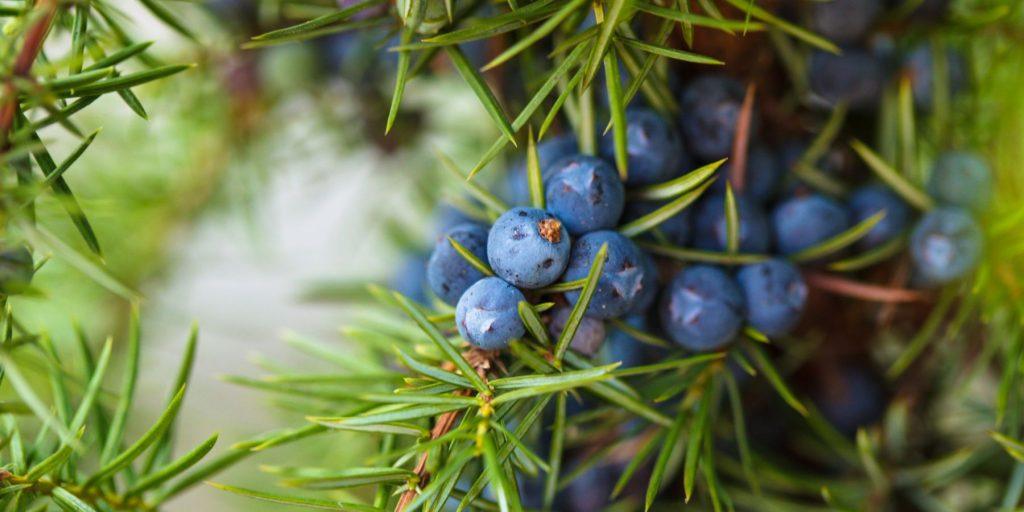
First things first, remember that every gin producer has its trade secrets, so specific recipes are unlikely to ever be revealed. However, by definition, gin is a neutral spirit flavored primarily with juniper berries, along with other botanicals. These can vary widely from one recipe to another.
What plant or berry is gin made from?
The quickest and most correct answer is juniper berries. Despite the name, they’re not the kind of sweet fruit you’d snack on. They grow on juniper shrubs and trees and give gin its unmistakable piney, fresh and slightly citrusy character. In fact, for a spirit to be called gin, juniper must be the dominant flavor.
But, even if juniper is the defining botanical, it rarely works alone. Depending on the recipe, distillers also use herbs, spices, roots, flowers and citrus peel to create each gin’s unique flavor profile. Common ingredients include coriander seed, angelica root, cinnamon, cardamom, chamomile, geranium and lemon or orange peel, with every producer putting its own spin on the blend. So, if you’ve ever found yourself asking, “What fruit or tree is gin made from?” or “Can you make gin from flowers?”, you weren’t too far off.
What alcohol or grain is gin made from?
Before it becomes gin, the spirit starts life as a neutral alcohol. But what grain is gin distilled from? Most common options are wheat, barley or rye. However, there are other fermentable ingredients that can be used, so gin can be made from potatoes, grapes or even sugar beet, depending on the producer and local regulations.
One common misconception: is gin made from vodka? Certainly not. While both spirits can begin with the same type of neutral spirit, gin is created by redistilling or infusing that alcohol with juniper and other botanicals. In other words, gin isn’t made from vodka, even if they sometimes share the same starting point. After the botanicals have been infused or distilled, the spirit is balanced, filtered if needed, and bottled.
How gin is made

While every distillery has its own methods, the basic gin-making process follows the same key stages:
- Make or source a neutral spirit: Gin starts with a neutral alcohol, distilled from grains or other fermentable ingredients. Some distillers produce this spirit themselves, while others source it from specialist producers.
- Add the botanicals: Juniper is always the star, but it is often joined by others. They can give flavor to the gin either through distilling or compounding—more on these two production techniques below.
- Balance the flavor: The gin is adjusted to achieve a consistent taste, which may include filtration, reduction with water, or a small amount of sugar depending on the style.
- Dilute and bottle: Finally, the gin is brought to its desired bottling strength, blended if needed, and bottled, ready to enjoy.
There are several families of gin. The most common is London Dry Gin, a distilled gin whose flavor is obtained exclusively through distillation with natural botanicals in traditional stills. No artificial flavorings or colorings can be added, and only a very small amount of sugar is permitted.
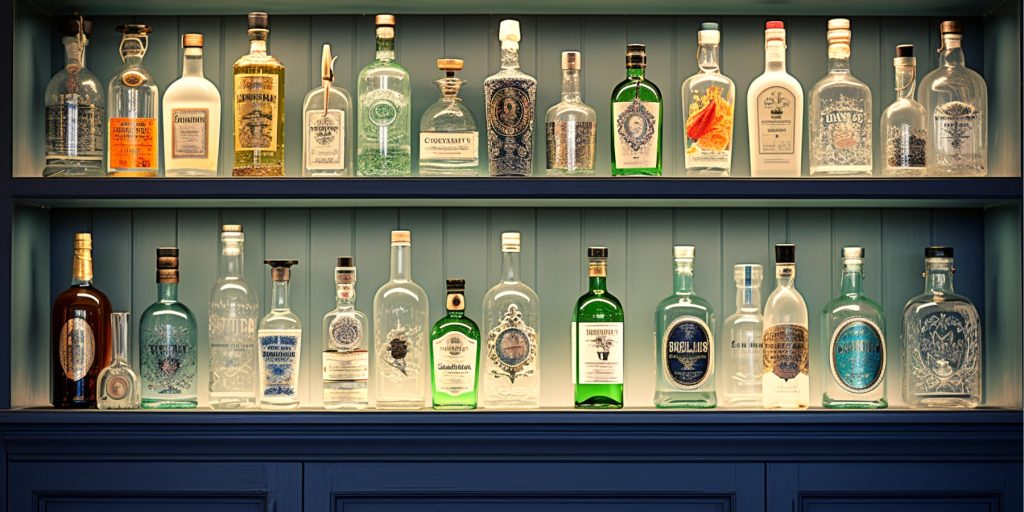
Among the other families, we find Old Tom Gin, the sweeter ancestor of London Dry Gin. It is produced in much the same way as London Dry but is lightly sweetened after distillation, giving it a fuller, rounder character. Plymouth Gin can only be produced in the city of Plymouth, England, under a protected geographical designation. Although it is also a distilled gin, its botanical recipe creates a smoother, earthier profile with less emphasis on juniper.
What is sloe gin made from?
Sloe gin isn’t the same as classic dry gin. It starts with gin, which is then infused with sloe berries—the small, tart fruit of the blackthorn bush—along with sugar. The result is a gin liqueur rather than a traditional gin, with a lower alcohol content and a richer, fruitier flavor. Its sweet-tart profile makes it a popular choice for winter serves, sparkling cocktails, and simple drinks with tonic or sparkling wine.
What is pink gin made from?
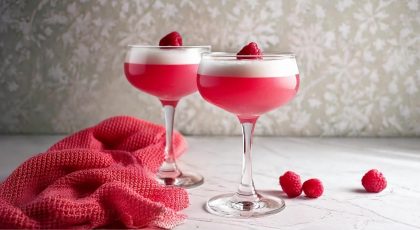
Unlike London Dry or Plymouth Gin, pink gin isn’t defined by one production method. It typically starts with a classic gin, which is then flavored or colored using ingredients such as strawberries, raspberries, rhubarb, red berries, citrus, floral botanicals, or aromatic bitters, depending on the brand. Some styles are naturally infused with fruit, while others achieve their pink hue through botanical extracts. The result is usually a fruitier, lighter style of gin.
What can you make with gin, and what’s the best to use?
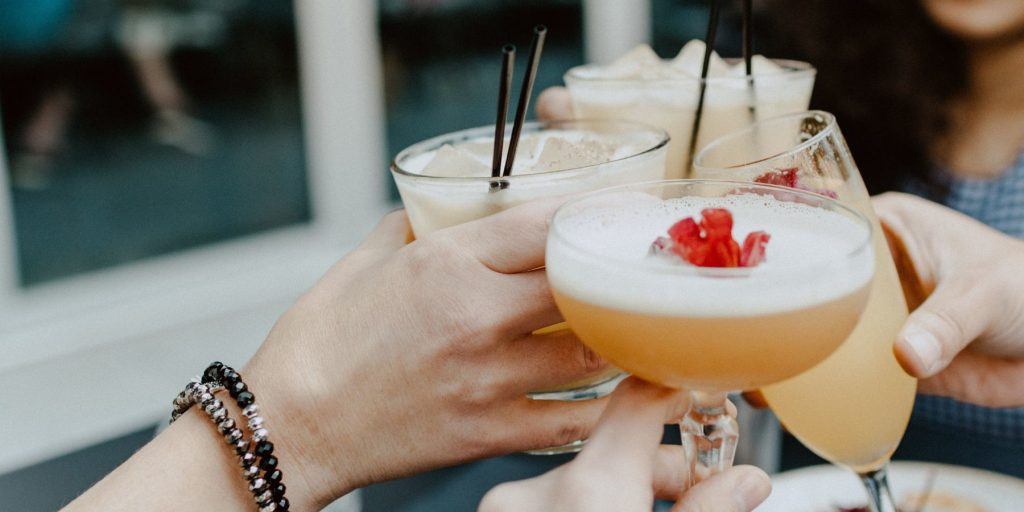
Gin is one of the most versatile spirits behind the bar, forming the base of plenty of beloved cocktails. But what’s the best type of gin to use? That depends on the drink you’re making.
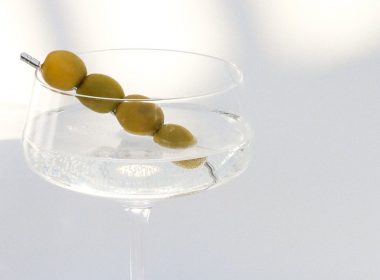
- London Dry Gin: The most versatile style and the best all-round choice if you’re only keeping one bottle at home. Its crisp, juniper-forward profile makes it ideal for classics such as the Gin & Tonic, Martini, Negroni, and Gimlet, where a clean botanical backbone is key. We particularly like a quadruple-distilled London Dry such as Bulldog Gin (opens in new window), whose 12 botanicals, including dragon’s eye, poppy, and lotus, create a smooth, balanced profile that works across a wide range of cocktails.
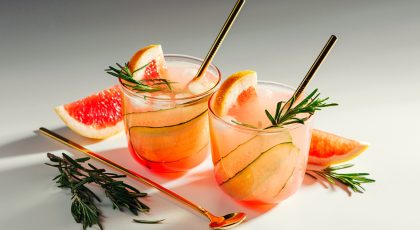
- Citrus-led gin: If you’re making lighter, sparkling drinks, a gin with pronounced citrus botanicals is a great choice. Bright lemon, orange, or grapefruit notes pair beautifully with bubbly mixers, making these styles especially well suited to spritzes and a refreshing French 75.
- Old Tom Gin: With its softer, rounder profile, it’s an excellent choice for Tom Collins and other softer cocktails, where a touch of sweetness creates a smoother finish.
- Sloe Gin: Although technically a gin liqueur rather than a traditional gin, Sloe Gin is perfect when you’re after fruitier serves. Made by infusing gin with sloe berries and sugar, it brings rich berry flavors to sparkling drinks, seasonal cocktails, and other refreshing long serves.
Leave no berry unturned: discover the best gins for a Negroni and the best gins for a Martini
You know what gin is made from. Now see what else it can do. Sign up to our newsletter for cocktail recipes, hosting inspiration, and fresh ways to make the most of every bottle.
FREQUENTLY ASKED QUESTIONS
The story of gin starts with juniper, but it certainly doesn’t end there. Here’s everything worth knowing before you pour your next G&T.
- Gin starts with a neutral spirit: Most gin begins with a neutral alcohol, usually distilled from grains such as wheat, barley, or rye, before being flavored with botanicals.
- Juniper is the defining ingredient: Every gin must be led by the flavor of juniper berries, while herbs, spices, flowers, roots, and citrus peel shape each brand’s unique character.
- Not all gin is made the same way: Distilled gin develops its flavor during distillation with botanicals, while compound gin is flavored after distillation through maceration or botanical extracts.
- Gin has a fascinating history: From its medicinal roots and the infamous Gin Craze to today’s cocktail renaissance, gin has evolved into one of the world’s most versatile spirits.
- There are several families of gin: London Dry is crisp and juniper-forward, Old Tom is softer and lightly sweetened, Plymouth has a smoother, earthier profile, while Sloe Gin and Pink Gin offer fruitier alternatives.
- Different styles suit different cocktails: London Dry shines in a Gin & Tonic, Martini, Negroni, and Gimlet, citrus-led gins work beautifully in spritzes and French 75s, Old Tom complements softer classics like the Tom Collins, and Sloe Gin is ideal for fruit-forward serves.
- One bottle can go a long way: If you’re only keeping one gin at home, a quality London Dry is the most versatile choice for everything from timeless classics to modern favorites.