Tips for Choosing the Best Gin for Gin and Tonic
A gin and tonic can feel effortless, but the difference between a good one and a great one often comes down to a single choice: the gin in your glass. With so many options on the shelf today, from classic London dry to spicy, floral, citrus-led, or fruit-infused bottles, picking the right gin can be a tricky, yet exciting challenge. This guide breaks down what really matters when choosing the best gin for a gin and tonic, helping you understand how different styles interact with tonic water and how small, creative tweaks can inspire you to elevate a simple serve into something memorable.
Jump to:
Why the gin and tonic is a classic
A clean, refreshing balance that feels right at almost any moment, whether it’s the first drink that kicks off your evening or something chilled and easy on a summer terrace. That’s what earned the gin and tonic its place as an institution among long drinks. And yet, would you believe that one of today’s most loved symbols of good times was born as a fever remedy in the colonial era?
The drink has come a long way since British officers in India started mixing gin with quinine tonic to soften the bitterness of the precious medicine, and it is now a classic that feels familiar and elevated at once. That is part of its appeal, speaking to everyone from mixology enthusiasts debating the best gin for gin and tonic to casual drinkers after something reassuring but still exciting. Simple, yes, but never dull, the perfect gin and tonic leaves just enough room for variation to keep it interesting.
What makes the perfect gin for a gin and tonic
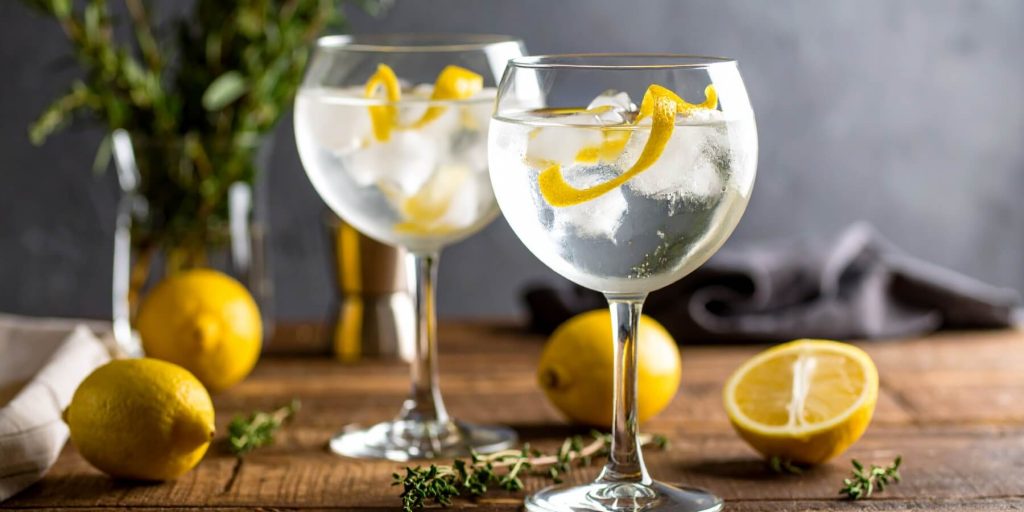
To do this beloved drink justice, you want a gin that brings enough character to lift it without overpowering it. The best type of gin for gin and tonic usually has a clear botanical profile, with juniper at the centre and enough citrus, floral, herbal, or spicy notes to keep the serve bright and engaging. And don’t forget balance: a good gin for gin and tonic should have enough alcohol strength to hold its presence against the tonic, while still leaving room for the mixer to soften and lengthen the drink. That is why versatility matters so much. The recommended gin for gin and tonic is rarely the bottle that shouts loudest from the shelf, but the flavour that sits most naturally in your glass, whatever the occasion or the style of tonic you choose.
How to pair gin for an unsurpassed cocktail
Many people assume you can’t go wrong with a G&T, but the gin still matters more than we might give it credit for. Sure, it’s not often that you hear about a gin and tonic gone horribly wrong, and certainly less often than with other cocktails, but the wrong bottle can still leave the drink feeling flat, unbalanced, or just slightly off. Want to impress your guests, explore a new way to enjoy a classic, or simply make sure nothing jars in the glass? Choosing the best type of gin for your gin and tonic can turn a simple serve into something worth remembering. The right pairing with tonic water brings the whole drink into focus; the wrong one can quietly throw it out of balance. Let’s explore four different gin styles and see how each one brings something distinct to the glass.
Light & floral gins
Light gins are often the ones that slip into a G&T most effortlessly. Delicate on the nose and soft on the palate, they tend to lean into floral notes that keep the drink feeling airy, graceful, and fresh.
- The flavour mix: juniper is still there, of course, but usually as part of a gentler botanical picture, with a lighter body and a more restrained alcohol presence that lets the tonic stay in step.
- Perfect for: those moments when you want a gin that does not demand attention but still leaves a quiet impression.
Citrus-forward gins
Citrus gins are an easy fit for tonic, but the best ones do more than simply taste fresh. These gins often strike a useful balance between vibrancy and structure, with enough strength to hold their shape in the glass.
- The flavour mix: lemon, grapefruit, lime, or orange notes can lift the whole serve, adding energy, fragrance, and a clean finish that keeps each sip moving.
- Perfect for: a drink that feels brisk, clean, and immediately appealing.
Herbal & spicy gins
Herbal and spicy gins tend to bring more depth, which can be exactly what a G&T needs when you want something with a little more presence.
- The flavour mix: think savoury botanicals, peppery warmth, and aromatic layers that unfold slowly as the tonic softens the edges. These gins often feel fuller on the palate, with a firmer structure and alcohol content that helps them stand up well.
- Perfect for: when you want to feel a bit more intrigued by your G&T by making it more layered and more aromatic.
Fruity gins
Fruity gins can add a softer, more generous character to a gin and tonic, bringing a roundness that feels playful without tipping into sweetness.
- The flavour mix: depending on the style, that might mean berry notes, orchard fruit, or a subtle juiciness that gives the drink a more expressive finish. The best versions still keep enough botanical backbone to stay crisp, with an alcohol level that supports the flavour rather than overwhelming it.
- Perfect for: your easy-going moments, holding a G&T a little more modern and yet full of character.
Want to take a deeper dive into gin styles? Read our complete guide.
Creative gin and tonic drinks
The classic gin and tonic, ideally featuring a London dry gin like Bulldog (opens in new window), will always have its place. But what about having a little fun playing with the format, too? Some gin and tonic drinks lean fresher, some fruitier, and some feel made for warmer days or more relaxed occasions. And this versatility is why we love this cocktail in the first place. So, make some room for creativity, and take the classic G&T as a good starting point for a few easy variations worth trying. From crisp cucumber to bright berry fruit, these twists show how small changes can give the drink a very different feel.
Cucumber gin and tonic
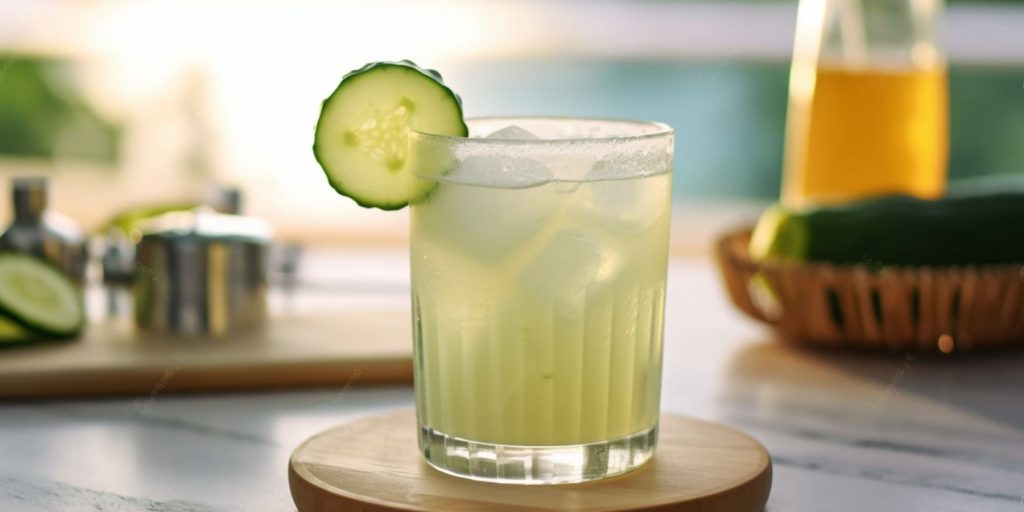
This is a great option for gins that pair a traditional juniper backbone with softer notes like rose or cucumber. Swapping a citrus garnish for a few slices of cucumber can bring those flavours forward and give the drink a cooler, fresher feel. And if you like your cocktails with a sharper edge, a small squeeze of fresh lime can still add the right touch of brightness.
Blueberry gin and tonic
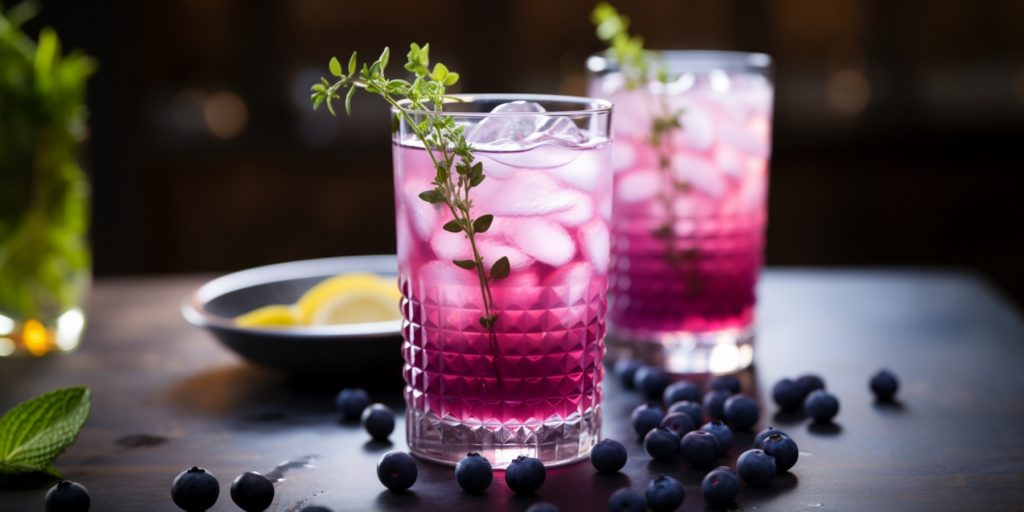
The sweet burst of blueberry flavour, paired with gin and a little lime juice, makes this a refreshing twist on the classic. Because both the blueberry syrup and tonic bring sweetness, the lime helps keep everything in balance, while the blueberry colour gives the drink a striking purple hue. To make the syrup, gently simmer fresh or frozen blueberries with sugar and water, then strain it once cooled. For the cocktail, add 50 ml gin, 25 ml blueberry syrup, 15 ml freshly squeezed lime juice, and ice to a shaker. Shake until well chilled, strain into a glass, and top with tonic. Finish with your chosen garnish and serve immediately.
Raspberry gin and tonic
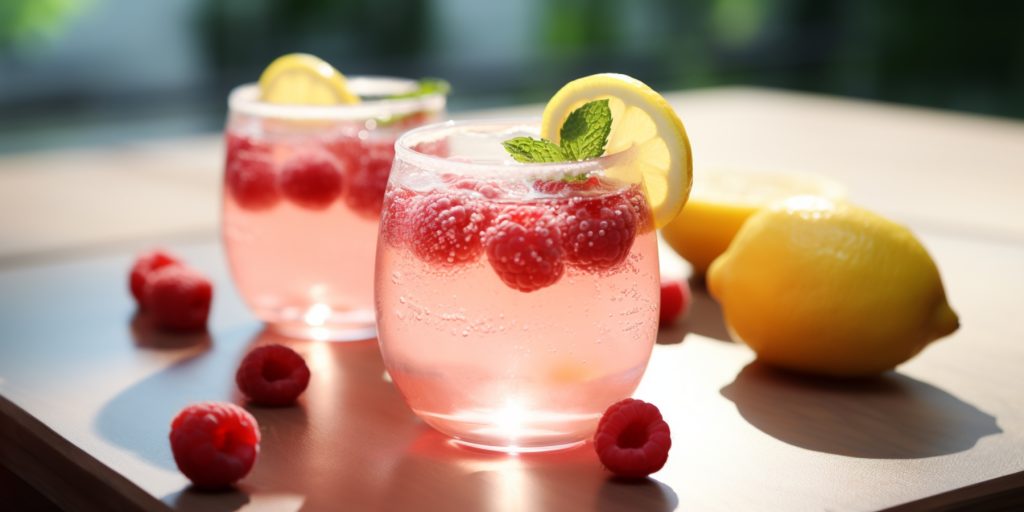
Raspberry gin feels made for this kind of serve. An infused gin brings the berry flavour right into the body of the drink, so it feels more integrated and rounded rather than simply fruity on top. Swapping the ice for frozen raspberries keeps the cocktail cool while adding a gentle burst of flavour as they melt, which gives the whole glass a more vibrant, summery feel. It is a small change, but one that makes the drink feel considered and a little more distinctive.
Strawberry gin and tonic
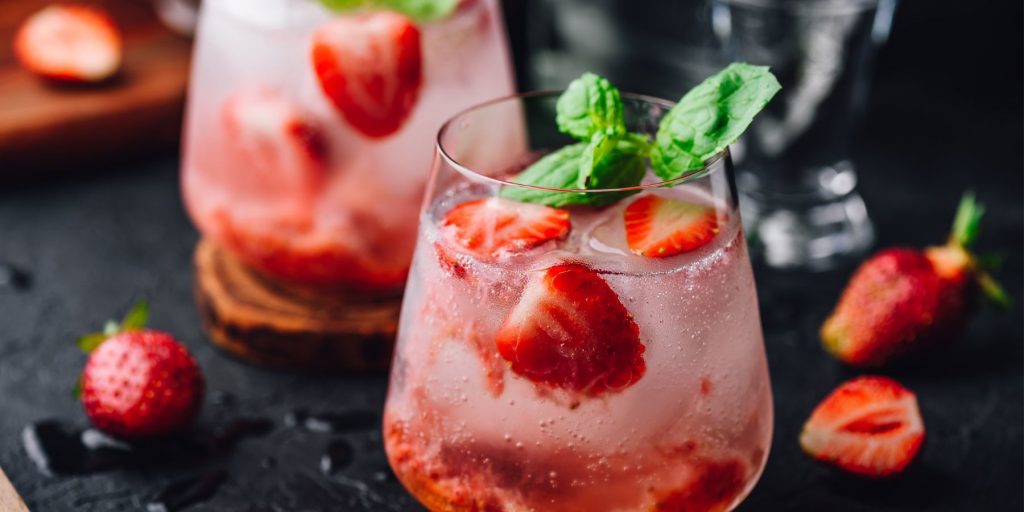
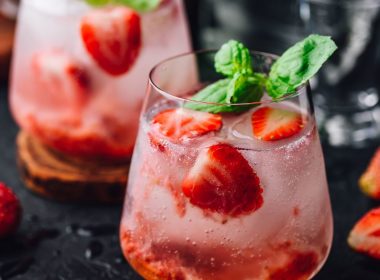
Just like the blueberry variation, this strawberry gin and tonic is a summery twist on the classic, made with a simple homemade strawberry syrup that is simmered with sugar, water, and a little lemon juice. The syrup adds a fresh, fruity depth, while gin and tonic water keep the serve crisp and familiar. To finish, garnish with a strawberry or two, a lime wedge, and a sprig of mint for a bright, fragrant result that feels made for summer.
Spanish gin and tonic
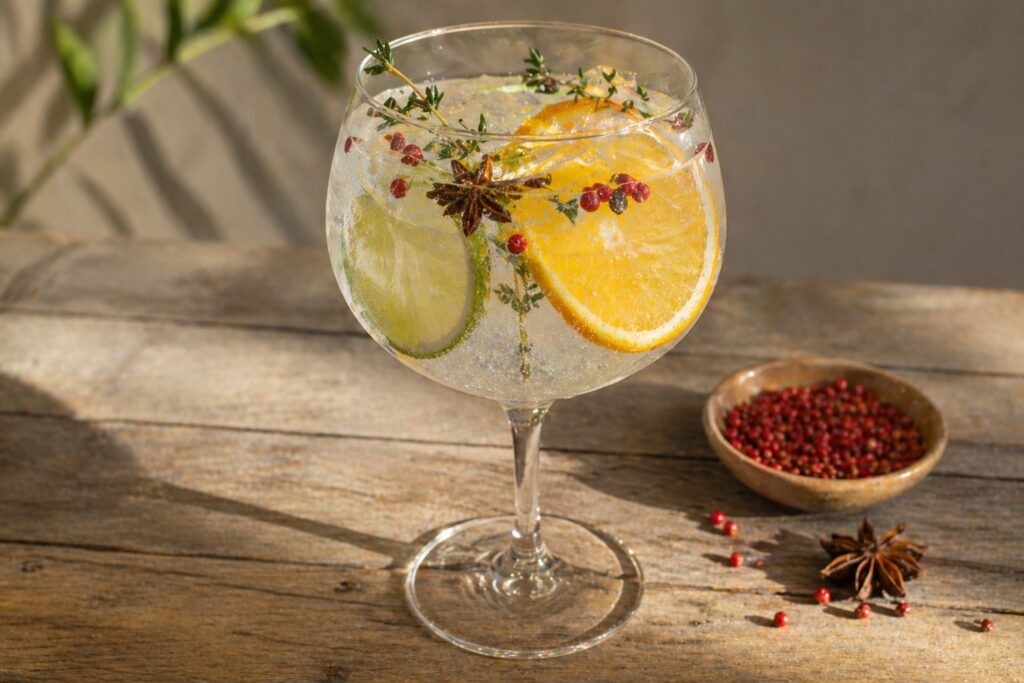
The Spanish gin and tonic was born in the Basque region of Spain, where the idea is to build a drink that is bigger, colder, and more aromatic. Use a large copa or red wine glass filled with plenty of ice, then add 60 ml gin, 120 to 180 ml tonic water, whole spices such as juniper berries, pink peppercorns, star anise, cardamom pods, cloves, or cinnamon sticks, plus sliced citrus and fresh herbs to taste.
Pour the gin and tonic slowly so you keep the bubbles lively, then finish with your chosen garnishes and a gentle stir. A Mediterranean-style tonic works especially well here, and the drink should sit for a few minutes before serving so it gets properly chilled.
Frozen gin and tonic
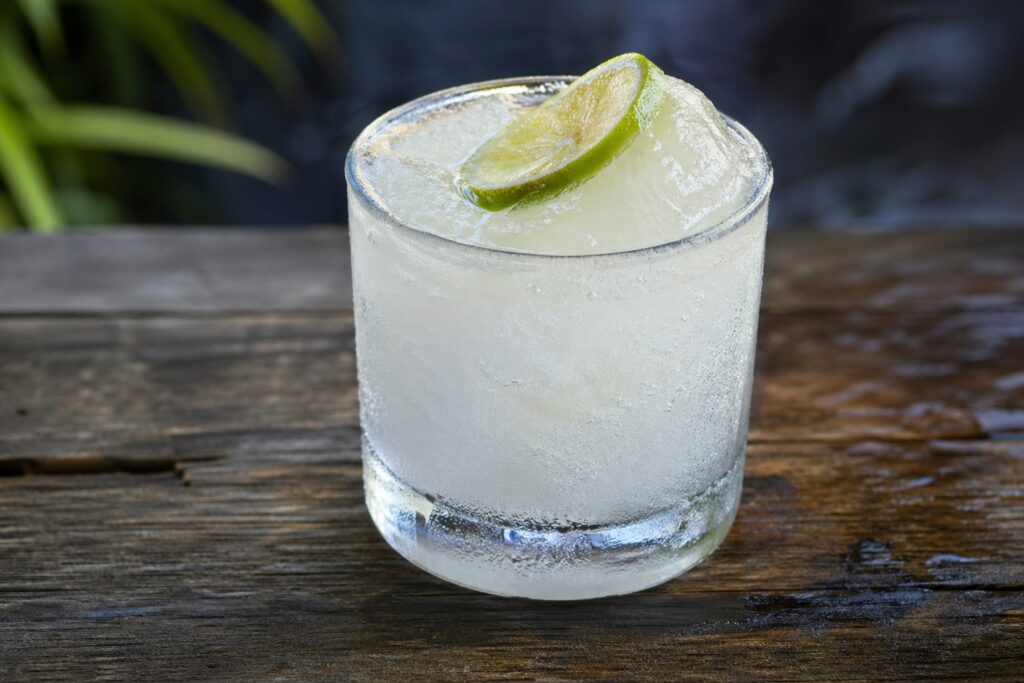
With the warmer months ahead, a frozen G&T is an easy way to keep things refreshing without losing the classic gin and tonic feel. Using tonic syrup instead of tonic water gives the drink plenty of flavour while keeping the texture icy and slushy, making it a smart choice for sunny afternoons and relaxed summer gatherings.
Blend 60 ml gin, 1 cup ice, and 2 tbsp tonic syrup until smooth, then pour into a serving glass and garnish with a lime slice or cucumber, if you like. For the best result, serve straight away while it is still properly frosty.
Now that you’ve explored one of gin’s best-loved serves, why not keep going with a few more gin-based recipes? From timeless classics to fresh new twists, there’s plenty more to mix, stir, and enjoy.
FREQUENTLY ASKED QUESTIONS
The best gin for a G&T is all about balance: pick one with enough presence to shape the drink without overpowering the tonic. London dry remains the classic benchmark: crisp, structured, and centred on juniper, it gives your serve a clean and dependable backbone. But there are many other options you can try:
- Light and floral gins bring a softer expression: delicate aromas and a gentle palate keep the drink feeling fresh and lifted.
- Citrus-forward gins add brightness and appeal: lemon, grapefruit, lime, or orange notes bring zest, fragrance, and a clean finish.
- Herbal and spicy gins introduce depth and warmth: they add complexity and a more layered shape to the drink.
- Fruity gins offer roundness and easy charm: they can soften the serve without pushing it into sweetness.
The tonic matters just as much as the gin: the right pairing keeps everything in proportion, while the wrong one can throw the drink off balance. Finally, small variations can change the whole serve: cucumber, berry, Spanish-style builds, and frozen G&Ts all show how flexible the classic can be.